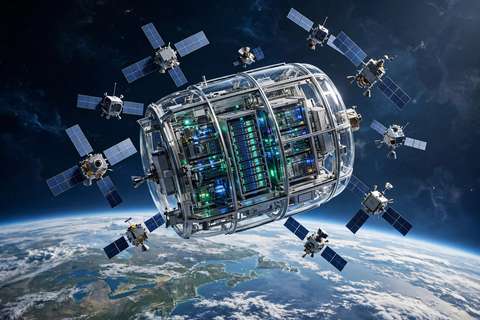
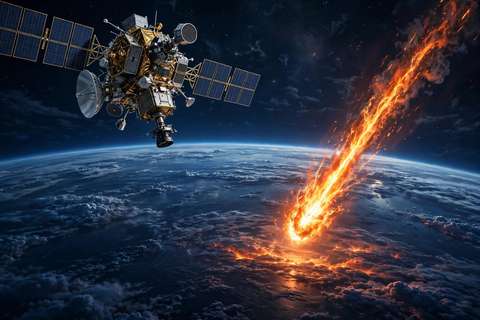
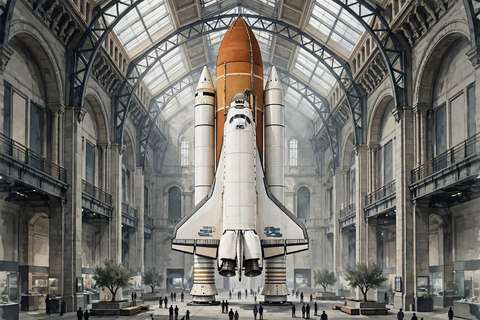
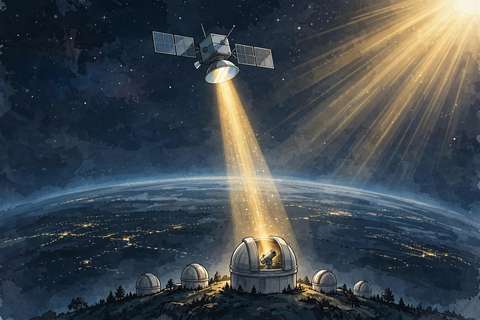
California startup Reflect Orbital plans a constellation of up to 50,000 mirror satellites by 2035 that would reflect sunlight down to Earth after dark. A first demonstration satellite, Earendil-1, carrying an 18-metre mirror, has US regulatory approval and is aimed for launch in 2027, with two test launches booked from India's Skyroot Aerospace. The company says the light could extend solar power after sunset and help disaster and rescue work, while astronomers and environmental groups have raised concerns about the night sky and wildlife.
California startup Reflect Orbital plans a constellation of up to 50,000 mirror satellites by 2035 that would reflect sunlight down to Earth after dark. A first demonstration satellite, Earendil-1, carrying an 18-metre mirror, has US regulatory approval and is aimed for launch in 2027, with two test launches booked from India's Skyroot Aerospace. The company says the light could extend solar power after sunset and help disaster and rescue work, while astronomers and environmental groups have raised concerns about the night sky and wildlife.
California startup Reflect Orbital plans a constellation of up to 50,000 mirror satellites by 2035 that would reflect sunlight down to Earth after dark. A first demonstration satellite, Earendil-1, carrying an 18-metre mirror, has US regulatory approval and is aimed for launch in 2027, with two test launches booked from India's Skyroot Aerospace. The company says the light could extend solar power after sunset and help disaster and rescue work, while astronomers and environmental groups have raised concerns about the night sky and wildlife.
Google has confirmed a new Android feature called Family Hub, described in its November 2026 system update notes as a dedicated space for family management tools inside Settings. It will arrive through Google Play services version 26.43 and bring together family members, shared subscriptions such as Google One storage, YouTube Premium and AI plans, shared calendar events and member locations in one place. Early test versions on Pixel phones showed a new Family entry near the top of Settings. Google has not said which phones will get it first or when, and the rollout through Play services will reach phones gradually, so it may not appear immediately on every device.
Google has confirmed a new Android feature called Family Hub, described in its November 2026 system update notes as a dedicated space for family management tools inside Settings. It will arrive through Google Play services version 26.43 and bring together family members, shared subscriptions such as Google One storage, YouTube Premium and AI plans, shared calendar events and member locations in one place. Early test versions on Pixel phones showed a new Family entry near the top of Settings. Google has not said which phones will get it first or when, and the rollout through Play services will reach phones gradually, so it may not appear immediately on every device.
Google has confirmed a new Android feature called Family Hub, described in its November 2026 system update notes as a dedicated space for family management tools inside Settings. It will arrive through Google Play services version 26.43 and bring together family members, shared subscriptions such as Google One storage, YouTube Premium and AI plans, shared calendar events and member locations in one place. Early test versions on Pixel phones showed a new Family entry near the top of Settings. Google has not said which phones will get it first or when, and the rollout through Play services will reach phones gradually, so it may not appear immediately on every device.
Researchers have uncovered a massive 2,600-year-old mudbrick complex beneath the ancient Egyptian city of Buto, in the northwestern Nile Delta, using satellite radar and underground electrical scans instead of digging. Radar from the European Space Agency's Sentinel-1 satellite revealed an oval anomaly about 128 by 62 metres beneath a mound known as Kom C, and electrical surveys mapped a large rectangular mudbrick structure about 20 by 25 metres, three to six metres below the surface. The structure dates to Egypt's 26th Dynasty, or Saite period, roughly 688 to 525 BC, and beneath it lies a thick layer of clean sand that researchers believe was deliberately laid as a foundation to spread weight, drain water and protect the bricks from the Delta's unstable clay. Buto, now Tell el-Fara'in, was a major religious centre and home of the cobra goddess Wadjet, and the building's exact purpose, possibly a tomb, priests' dwelling or sanctuary, is not yet known. The findings were published in the journal Acta Geophysica.
Researchers have uncovered a massive 2,600-year-old mudbrick complex beneath the ancient Egyptian city of Buto, in the northwestern Nile Delta, using satellite radar and underground electrical scans instead of digging. Radar from the European Space Agency's Sentinel-1 satellite revealed an oval anomaly about 128 by 62 metres beneath a mound known as Kom C, and electrical surveys mapped a large rectangular mudbrick structure about 20 by 25 metres, three to six metres below the surface. The structure dates to Egypt's 26th Dynasty, or Saite period, roughly 688 to 525 BC, and beneath it lies a thick layer of clean sand that researchers believe was deliberately laid as a foundation to spread weight, drain water and protect the bricks from the Delta's unstable clay. Buto, now Tell el-Fara'in, was a major religious centre and home of the cobra goddess Wadjet, and the building's exact purpose, possibly a tomb, priests' dwelling or sanctuary, is not yet known. The findings were published in the journal Acta Geophysica.
Researchers have uncovered a massive 2,600-year-old mudbrick complex beneath the ancient Egyptian city of Buto, in the northwestern Nile Delta, using satellite radar and underground electrical scans instead of digging. Radar from the European Space Agency's Sentinel-1 satellite revealed an oval anomaly about 128 by 62 metres beneath a mound known as Kom C, and electrical surveys mapped a large rectangular mudbrick structure about 20 by 25 metres, three to six metres below the surface. The structure dates to Egypt's 26th Dynasty, or Saite period, roughly 688 to 525 BC, and beneath it lies a thick layer of clean sand that researchers believe was deliberately laid as a foundation to spread weight, drain water and protect the bricks from the Delta's unstable clay. Buto, now Tell el-Fara'in, was a major religious centre and home of the cobra goddess Wadjet, and the building's exact purpose, possibly a tomb, priests' dwelling or sanctuary, is not yet known. The findings were published in the journal Acta Geophysica.
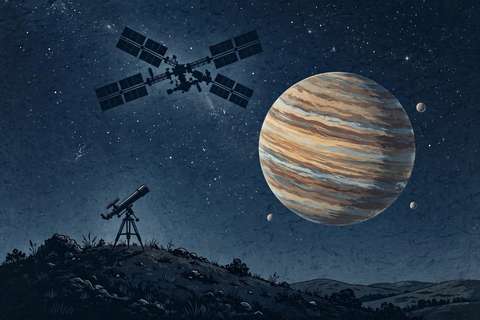
Washington astrophotographer AJ Smadi has captured a rare photograph showing the International Space Station passing directly beside Jupiter. Smadi had planned the shot for nearly two years, driving more than an hour north of Seattle to Burlington, Washington, before sunrise. At 6:03 a.m. local time, the station zipped past the giant planet, and the two appear almost the same size in the frame — even though Jupiter is about 1.3 million times wider, it is also about 1.3 million times farther away. Seven people were aboard the station at that moment.
واشنگٹن کے فلکیاتی فوٹوگرافر اے جے سمادی نے ایک نایاب تصویر لی ہے جس میں بین الاقوامی خلائی اسٹیشن مشتری کے بالکل ساتھ سے گزرتا نظر آتا ہے۔ سمادی نے اس تصویر کے لیے تقریباً دو سال منصوبہ بندی کی اور طلوع آفتاب سے پہلے سیئٹل سے ایک گھنٹے سے زیادہ شمال میں برلنگٹن، واشنگٹن گئے۔ مقامی وقت کے مطابق صبح 6:03 پر اسٹیشن دیوہیکل سیارے کے پاس سے گزرا، اور دونوں فریم میں تقریباً ایک جیسے سائز کے نظر آتے ہیں — حالانکہ مشتری تقریباً 13 لاکھ گنا چوڑا ہے، وہ اتنا ہی دور بھی ہے۔ اس لمحے اسٹیشن پر سات افراد سوار تھے۔
वाशिंगटन के खगोलीय फोटोग्राफर एजे स्मादी ने एक दुर्लभ तस्वीर ली है जिसमें अंतरराष्ट्रीय अंतरिक्ष स्टेशन बृहस्पति के बिल्कुल साथ से गुज़रता नज़र आता है। स्मादी ने इस तस्वीर के लिए लगभग दो साल योजना बनाई और सूर्योदय से पहले सिएटल से एक घंटे से अधिक उत्तर में बर्लिंगटन, वाशिंगटन गए। स्थानीय समय सुबह 6:03 बजे स्टेशन विशाल ग्रह के पास से गुज़रा, और दोनों फ्रेम में लगभग एक जैसे आकार के दिखते हैं — हालाँकि बृहस्पति लगभग 13 लाख गुना चौड़ा है, वह उतना ही दूर भी है। उस पल स्टेशन पर सात लोग सवार थे।
Physicists have found a previously hidden process in Einstein's equations that they call gravitational reconnection. Just as magnetic field lines in plasmas can break and rejoin, releasing energy in solar flares, gravitational field structures — described as sheets rather than lines, because space-time has four dimensions — can reconnect and pass energy into matter. The theoretical study, published in Physical Review D, could help scientists model extreme events such as merging black holes and the gravitational waves they produce.
ماہرین طبیعیات نے آئن اسٹائن کی مساواتوں میں ایک پہلے سے پوشیدہ عمل دریافت کیا ہے جسے وہ کشش ثقل کی دوبارہ جوڑی کہتے ہیں۔ جس طرح پلازما میں مقناطیسی لکیریں ٹوٹ کر دوبارہ جڑ سکتی ہیں اور شمسی شعلوں میں توانائی خارج کرتی ہیں، اسی طرح کشش ثقل کے میدان کی ساخت — جنہیں لکیروں کے بجائے چادریں کہا جاتا ہے کیونکہ خلائی وقت چار جہتی ہے — دوبارہ جڑ کر توانائی مادے میں منتقل کر سکتی ہیں۔ یہ نظریاتی تحقیق فزیکل ریویو ڈی میں شائع ہوئی ہے اور سائنسدانوں کو بلیک ہولز کے انضمام جیسے انتہائی واقعات اور ان سے پیدا ہونے والی کشش ثقل کی لہروں کو سمجھنے میں مدد دے سکتی ہے۔
भौतिकविदों ने आइंस्टीन के समीकरणों में एक पहले छिपी प्रक्रिया खोजी है जिसे वे गुरुत्वाकर्षण पुनर्संयोजन कहते हैं। जैसे प्लाज़्मा में चुंबकीय क्षेत्र रेखाएँ टूटकर फिर जुड़ सकती हैं और सौर ज्वालाओं में ऊर्जा छोड़ती हैं, वैसे ही गुरुत्वाकर्षण क्षेत्र की संरचनाएँ — जिन्हें रेखाओं के बजाय चादरें कहा जाता है क्योंकि अंतरिक्ष-काल चार आयामी है — फिर से जुड़कर ऊर्जा को पदार्थ में स्थानांतरित कर सकती हैं। फिज़िकल रिव्यू डी में प्रकाशित यह सैद्धांतिक अध्ययन वैज्ञानिकों को ब्लैक होल के विलय जैसे चरम घटनाओं और उनसे उत्पन्न गुरुत्वाकर्षण तरंगों को समझने में मदद कर सकता है।
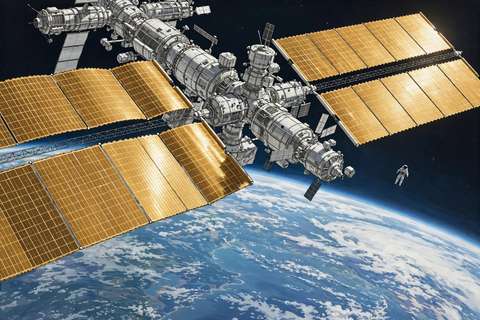
NASA astronaut Anil Menon and Canadian astronaut Joshua Kutryk began the final phase of a multi-year upgrade to the International Space Station's power system, installing the seventh of eight roll-out solar arrays during a spacewalk lasting 7 hours and 11 minutes on 29 October. The arrays, first installed in 2021, will raise the station's power from about 160 kilowatts to about 215 kilowatts once the eighth and final array is installed on a planned 5 November spacewalk, supporting research and the station's planned retirement in 2030.
ناسا کے خلاباز انیل مینن اور کینیڈا کے خلاباز جوشوا کٹرک نے بین الاقوامی خلائی اسٹیشن کے بجلی کے نظام کی کئی سالہ اپ گریڈ کا آخری مرحلہ شروع کر دیا ہے، اور 29 اکتوبر کو 7 گھنٹے 11 منٹ کی خلائی چہل قدمی کے دوران آٹھ میں سے ساتویں رول آؤٹ سولر پینل نصب کیا۔ یہ پینل پہلی بار 2021 میں نصب ہوئے تھے، اور 5 نومبر کی منصوبہ بند خلائی چہل قدمی میں آٹھواں اور آخری پینل لگنے کے بعد اسٹیشن کی بجلی تقریباً 160 کلو واٹ سے بڑھ کر تقریباً 215 کلو واٹ ہو جائے گی، جو تحقیق اور 2030 میں اسٹیشن کی منصوبہ بند ریٹائرمنٹ میں مدد دے گی۔
नासा के अंतरिक्ष यात्री अनिल मेनन और कनाडा के अंतरिक्ष यात्री जोशुआ कुट्रिक ने अंतर्राष्ट्रीय अंतरिक्ष स्टेशन की बिजली प्रणाली के कई वर्षों के उन्नयन का अंतिम चरण शुरू कर दिया है, और 29 अक्टूबर को 7 घंटे 11 मिनट की स्पेसवॉक के दौरान आठ में से सातवां रोल-आउट सौर पैनल लगाया। ये पैनल पहली बार 2021 में लगाए गए थे, और 5 नवंबर की नियोजित स्पेसवॉक में आठवां और अंतिम पैनल लगने के बाद स्टेशन की बिजली लगभग 160 किलोवाट से बढ़कर लगभग 215 किलोवाट हो जाएगी, जो अनुसंधान और 2030 में स्टेशन की नियोजित सेवानिवृत्ति में मदद देगी।
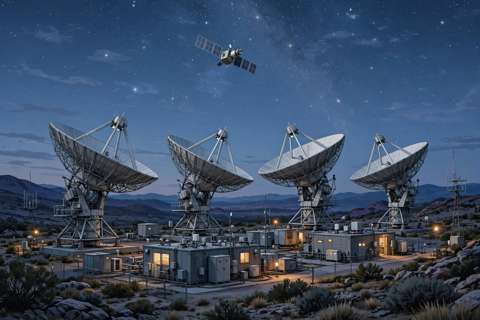
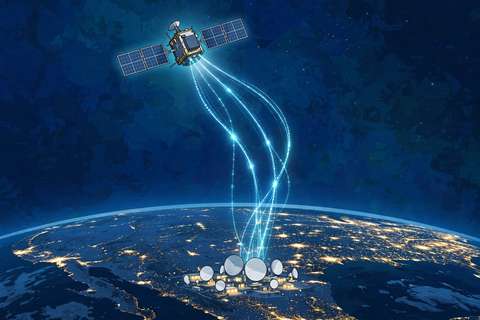
Space infrastructure company Northwood Space has raised $375 million in a Series C round co-led by Andreessen Horowitz and DFJ Growth, valuing the company at $2 billion. Founded in 2022, the California company builds antennas and software that link satellites to Earth, and it also secured a separate multi-year credit facility from HSBC. The money will speed up delivery on existing contracts, including a nearly $50 million US Space Force contract, and expand its global ground network. The round comes less than nine months after a $100 million Series B.
خلائی بنیادی ڈھانچے کی کمپنی نارتھ ووڈ اسپیس نے اینڈریسن ہورووٹز اور ڈی ایف جے گروتھ کی قیادت میں سیریز سی راؤنڈ میں 375 ملین ڈالر اکٹھے کیے ہیں، جس سے کمپنی کی قدر 2 ارب ڈالر ہوگئی ہے۔ 2022 میں قائم ہونے والی کیلیفورنیا کی یہ کمپنی اینٹینا اور سافٹ ویئر بناتی ہے جو سیٹلائٹس کو زمین سے جوڑتے ہیں، اور اس نے ایچ ایس بی سی سے الگ کثیر سالہ قرض کی سہولت بھی حاصل کی ہے۔ یہ رقم موجودہ معاہدوں کی تکمیل تیز کرے گی، جن میں تقریباً 50 ملین ڈالر کا امریکی خلائی فورس کا معاہدہ بھی شامل ہے، اور عالمی گراؤنڈ نیٹ ورک کو وسعت دے گی۔ یہ راؤنڈ 100 ملین ڈالر کی سیریز بی کے نو ماہ سے بھی کم عرصے بعد آیا ہے۔
अंतरिक्ष बुनियादी ढांचा कंपनी नॉर्थवुड स्पेस ने आंद्रेसेन होरोविट्ज़ और डीएफजे ग्रोथ के सह-नेतृत्व में सीरीज़ सी दौर में 375 मिलियन डॉलर जुटाए हैं, जिससे कंपनी का मूल्यांकन 2 अरब डॉलर हो गया है। 2022 में स्थापित कैलिफ़ोर्निया की यह कंपनी एंटेना और सॉफ़्टवेयर बनाती है जो उपग्रहों को पृथ्वी से जोड़ते हैं, और इसने एचएसबीसी से अलग बहुवर्षीय ऋण सुविधा भी हासिल की है। यह धन मौजूदा अनुबंधों की आपूर्ति तेज़ करेगा, जिनमें लगभग 50 मिलियन डॉलर का अमेरिकी अंतरिक्ष बल अनुबंध भी शामिल है, और वैश्विक ग्राउंड नेटवर्क का विस्तार करेगा। यह दौर 100 मिलियन डॉलर की सीरीज़ बी के नौ महीने से भी कम समय बाद आया है।
Google's Project Suncatcher prototype satellite has returned its first AI answer from orbit. Engineers asked the onboard Gemma 4 model, running on a Google Tensor Processing Unit, to write a short poem about being in space, and the reply came down as the satellite passed over Svalbard in Norway. The prototype, built with Planet and launched on 1 October, carries four TPUs but can only power one at a time for about 20 minutes because it generates around one kilowatt. Google calls it a first step toward networks of close-flying satellites running large AI workloads in space, with two more satellites planned for 2027.
گوگل کے پروجیکٹ سن کیچر کے نمونہ سیٹلائٹ نے مدار سے اپنا پہلا اے آئی جواب واپس بھیجا ہے۔ انجینئروں نے سیٹلائٹ پر موجود جیما 4 ماڈل سے، جو گوگل کے ٹینسر پروسیسنگ یونٹ پر چل رہا تھا، خلا میں ہونے کے بارے میں ایک مختصر نظم لکھنے کو کہا، اور جواب ناروے کے سوالبارڈ کے اوپر سے گزرتے ہوئے نیچے آیا۔ یہ نمونہ پلانیٹ کے ساتھ بنایا گیا اور یکم اکتوبر کو لانچ ہوا، اس میں چار ٹی پی یوز ہیں لیکن یہ ایک وقت میں صرف ایک کو تقریباً 20 منٹ تک چلا سکتا ہے کیونکہ یہ تقریباً ایک کلو واٹ بجلی بناتا ہے۔ گوگل اسے خلا میں بڑے اے آئی کام چلانے والے قریب قریب اڑنے والے سیٹلائٹس کے نیٹ ورک کی طرف پہلا قدم قرار دیتا ہے، اور 2027 میں دو مزید سیٹلائٹس کا منصوبہ ہے۔
गूगल के प्रोजेक्ट सनकैचर के प्रोटोटाइप उपग्रह ने कक्षा से अपना पहला एआई उत्तर वापस भेजा है। इंजीनियरों ने उपग्रह पर मौजूद जेम्मा 4 मॉडल से, जो गूगल के टेंसर प्रोसेसिंग यूनिट पर चल रहा था, अंतरिक्ष में होने के बारे में एक छोटी कविता लिखने को कहा, और उत्तर नॉर्वे के स्वालबार्ड के ऊपर से गुज़रते समय नीचे आया। यह प्रोटोटाइप प्लैनेट के साथ बनाया गया और 1 अक्टूबर को लॉन्च हुआ, इसमें चार टीपीयू हैं लेकिन यह एक बार में सिर्फ एक को लगभग 20 मिनट तक चला सकता है क्योंकि यह लगभग एक किलोवाट बिजली बनाता है। गूगल इसे अंतरिक्ष में बड़े एआई काम चलाने वाले पास-पास उड़ने वाले उपग्रहों के नेटवर्क की ओर पहला कदम बताता है, और 2027 में दो और उपग्रहों की योजना है।
Google's head of data centre energy, Amanda Peterson Corio, has said building data centres in space could cost up to 100 times more than building them on Earth, and urged companies to explore all ground-based options first. The warning comes even as Google tests AI chips in orbit through its Project Suncatcher prototype, which reached orbit on October 1. Servicing hardware in space is far harder than on Earth, and launch costs would need to fall below about $200 per kilogram by the mid-2030s for orbital computing to compete with ground facilities.
گوگل کی ڈیٹا سینٹر توانائی کی سربراہ امانڈا پیٹرسن کوریو نے کہا ہے کہ خلا میں ڈیٹا سینٹرز بنانا زمین پر بنانے سے 100 گنا زیادہ مہنگا ہو سکتا ہے، اور کمپنیوں کو پہلے زمین پر تمام آپشنز آزمانے چاہئیں۔ یہ انتباہ اس وقت آیا ہے جب گوگل اپنے پروجیکٹ سن کیچر کے ذریعے خلا میں اے آئی چپس کی جانچ کر رہا ہے، جو یکم اکتوبر کو مدار میں پہنچا تھا۔ خلا میں آلات کی مرمت زمین کی نسبت بہت مشکل ہے، اور مداری کمپیوٹنگ کو زمینی سہولتوں سے مقابلہ کرنے کے لیے 2030 کی دہائی کے وسط تک لانچ کی قیمت تقریباً 200 ڈالر فی کلوگرام سے نیچے آنی چاہیے۔
गूगल की डेटा सेंटर ऊर्जा प्रमुख अमांडा पीटरसन कोरियो ने कहा है कि अंतरिक्ष में डेटा सेंटर बनाना धरती पर बनाने से 100 गुना महंगा हो सकता है, और कंपनियों को पहले धरती पर सभी विकल्प आज़माने चाहिए। यह चेतावनी तब आई है जब गूगल अपने प्रोजेक्ट सनकैचर के ज़रिए अंतरिक्ष में एआई चिप्स का परीक्षण कर रहा है, जो 1 अक्टूबर को कक्षा में पहुँचा था। अंतरिक्ष में उपकरणों की मरम्मत धरती की तुलना में कहीं कठिन है, और कक्षीय कंप्यूटिंग को ज़मीनी सुविधाओं से मुकाबला करने के लिए 2030 के दशक के मध्य तक लॉन्च लागत लगभग 200 डॉलर प्रति किलोग्राम से नीचे आनी चाहिए।
Military and civilian satellites are working together to watch fireballs streaking through Earth's atmosphere, giving scientists a powerful new tool for planetary defence. The value of combining sensors was shown on 1 April 2026, when a meteor exploded over the South Atlantic near Argentina and was spotted by US government satellite sensors, NOAA's GOES-E weather satellite and Europe's Meteosat Third Generation Imager-1, peaking at roughly 90 kilometres altitude. By combining data from several sensors, researchers can work out a fireball's path, speed and energy, tell a natural space rock apart from falling space debris, and trace objects back to their source region in the asteroid belt.
فوجی اور شہری سیٹلائٹس مل کر زمین کی فضا میں سے گزرنے والے شہاب ثاقب پر نظر رکھ رہے ہیں، جو سائنسدانوں کو سیاراتی دفاع کے لیے ایک طاقتور نیا ذریعہ دے رہے ہیں۔ کئی سینسرز کو ملانے کی اہمیت یکم اپریل 2026 کو سامنے آئی، جب ارجنٹائن کے قریب جنوبی بحر اوقیانوس کے اوپر ایک شہاب پھٹا اور امریکی حکومت کے سیٹلائٹ سینسرز، نووا کے گوئز-ای موسمی سیٹلائٹ اور یورپ کے میٹیوسیٹ تھرڈ جنریشن امیجر-1 نے اسے دیکھا، جس کی چمک تقریباً 90 کلومیٹر کی بلندی پر سب سے زیادہ تھی۔ کئی سینسرز کے ڈیٹا کو ملا کر محققین شہاب کا راستہ، رفتار اور توانائی معلوم کر سکتے ہیں، قدرتی خلائی چٹان کو گرتے ہوئے خلائی ملبے سے الگ پہچان سکتے ہیں، اور ان اشیا کو سیارچوں کی پٹی میں ان کے ماخذ تک واپس تلاش کر سکتے ہیں۔
सैन्य और नागरिक उपग्रह मिलकर पृथ्वी के वायुमंडल से गुज़रने वाले आग के गोलों पर नज़र रख रहे हैं, जो वैज्ञानिकों को ग्रह रक्षा के लिए एक शक्तिशाली नया साधन दे रहे हैं। कई सेंसरों को मिलाने का महत्व 1 अप्रैल 2026 को सामने आया, जब अर्जेंटीना के पास दक्षिण अटलांटिक के ऊपर एक उल्का फटा और अमेरिकी सरकार के उपग्रह सेंसरों, एनओएए के गोईएस-ई मौसम उपग्रह और यूरोप के मेटियोसैट थर्ड जनरेशन इमेजर-1 ने इसे देखा, जिसकी चमक लगभग 90 किलोमीटर की ऊंचाई पर सबसे ज़्यादा थी। कई सेंसरों के डेटा को मिलाकर शोधकर्ता आग के गोले का रास्ता, गति और ऊर्जा निकाल सकते हैं, प्राकृतिक अंतरिक्ष चट्टान को गिरते हुए अंतरिक्ष मलबे से अलग पहचान सकते हैं, और इन वस्तुओं को क्षुद्रग्रह पट्टी में उनके स्रोत तक वापस खोज सकते हैं।
The California Science Center has unveiled Space Shuttle Endeavour in its new permanent home, the Samuel Oschin Air and Space Center in Los Angeles. The shuttle stands upright in launch position with its external tank and twin solid rocket boosters, the only complete shuttle system on public display anywhere in the world. The 200,000-square-foot expansion nearly doubles the museum's exhibition space and holds 100 aerospace artefacts and 100 hands-on exhibits. Endeavour flew 25 missions after its first launch in 1992, helping build the International Space Station and servicing the Hubble telescope. The new centre opens to the public on 13 November.
کیلیفورنیا سائنس سینٹر نے اسپیس شٹل اینڈیور کو لاس اینجلس میں اپنے نئے مستقل گھر، سیموئل اوشین ایئر اینڈ اسپیس سینٹر میں پیش کر دیا ہے۔ شٹل اپنے بیرونی ٹینک اور دو ٹھوس راکٹ بوسٹرز کے ساتھ لانچ کی پوزیشن میں سیدھی کھڑی ہے، جو دنیا میں عوامی نمائش پر موجود واحد مکمل شٹل نظام ہے۔ 200,000 مربع فٹ کی توسیع نے میوزیم کی نمائشی جگہ تقریباً دگنی کر دی ہے اور اس میں 100 خلائی نوادرات اور 100 عملی نمائشیں ہیں۔ اینڈیور نے 1992 میں پہلی پرواز کے بعد 25 مشن اڑائے، بین الاقوامی خلائی اسٹیشن بنانے میں مدد کی اور ہبل دوربین کی مرمت کی۔ نیا مرکز 13 نومبر کو عوام کے لیے کھلے گا۔
कैलिफ़ोर्निया साइंस सेंटर ने स्पेस शटल एंडेवर को लॉस एंजिल्स में अपने नए स्थायी घर, सैमुअल ओशिन एयर एंड स्पेस सेंटर में पेश किया है। शटल अपने बाहरी टैंक और दो ठोस रॉकेट बूस्टरों के साथ लॉन्च की स्थिति में सीधी खड़ी है, जो दुनिया में सार्वजनिक प्रदर्शन पर मौजूद एकमात्र पूर्ण शटल प्रणाली है। 200,000 वर्ग फुट का विस्तार संग्रहालय की प्रदर्शनी जगह को लगभग दोगुना कर देता है और इसमें 100 एयरोस्पेस कलाकृतियाँ और 100 व्यावहारिक प्रदर्शन हैं। एंडेवर ने 1992 में पहली उड़ान के बाद 25 मिशन उड़ाए, अंतरराष्ट्रीय अंतरिक्ष स्टेशन बनाने में मदद की और हबल दूरबीन की मरम्मत की। नया केंद्र 13 नवंबर को जनता के लिए खुलेगा।
A SpaceX Falcon 9 launch planned for Monday evening from Vandenberg Space Force Base in California may create a glowing space jellyfish in the sky over the American West. The four-hour launch window for the USSF-423 mission opens at 5:42 p.m. Pacific time, during twilight after the end of daylight saving time. While the ground below will be dark, the rocket's exhaust high in the sky can still catch sunlight, forming a luminous cloud visible from hundreds of miles away. The best views are expected in southern Utah, Arizona and New Mexico, where skies should be clear.
کیلیفورنیا کے وینڈن برگ اسپیس فورس بیس سے پیر کی شام اسپیس ایکس فالکن 9 کی لانچ سے امریکی مغرب میں آسمان پر چمکتی 'اسپیس جیلی فش' بن سکتی ہے۔ یو ایس ایس ایف-423 مشن کے لیے چار گھنٹے کی لانچ ونڈو شام 5:42 بجے پیسیفک وقت پر کھلے گی، ڈے لائٹ سیونگ ٹائم ختم ہونے کے بعد شام کے وقت۔ زمین تاریک ہوگی، لیکن آسمان میں اونچائی پر راکٹ کا دھواں سورج کی روشنی پکڑ کر ایک چمکتا بادل بنا سکتا ہے جو سینکڑوں میل دور سے نظر آئے گا۔ بہترین نظارہ جنوبی یوٹاہ، ایریزونا اور نیو میکسیکو میں متوقع ہے جہاں آسمان صاف رہے گا۔
कैलिफोर्निया के वैंडेनबर्ग स्पेस फोर्स बेस से सोमवार शाम स्पेसएक्स फाल्कन 9 के प्रक्षेपण से अमेरिकी पश्चिम में आकाश में चमकती 'स्पेस जेलीफ़िश' बन सकती है। USSF-423 मिशन के लिए चार घंटे की प्रक्षेपण विंडो शाम 5:42 बजे प्रशांत समय पर खुलेगी, डेलाइट सेविंग समय समाप्त होने के बाद संध्या के समय। नीचे ज़मीन अंधेरी होगी, लेकिन आकाश में ऊंचाई पर रॉकेट का धुआं सूर्य की रोशनी पकड़कर एक चमकता बादल बना सकता है जो सैकड़ों मील दूर से दिखाई देगा। सबसे अच्छा दृश्य दक्षिणी यूटा, एरिज़ोना और न्यू मैक्सिको में अपेक्षित है जहां आकाश साफ रहेगा।
A new three-dimensional map of the space between stars suggests that supposedly 'empty' space is far more restless than textbooks assumed. By combining a 2024 dust map covering a sphere more than 4,000 light-years wide around the Sun with a map of ultraviolet radiation, researchers found that 27 percent of the nearby interstellar medium was cold, 32 percent warm, and 41 percent in an unstable in-between state. That challenges a model from 1969 and may help explain why galaxies turn gas into stars so slowly. The analysis is still undergoing peer review.
ستاروں کے درمیان خلا کی نئی تھری ڈی نقشہ سازی سے لگتا ہے کہ نام نہاد 'خالی' خلا نصابی کتابوں کے تصور سے کہیں زیادہ بے چین ہے۔ سورج کے گرد 4,000 نوری سال سے زیادہ چوڑے دائرے کی 2024 کی گرد کی نقشہ سازی کو الٹرا وائلٹ تابکاری کے نقشے سے ملا کر محققین نے پایا کہ قریبی بین النجمی مادے کا 27 فیصد سرد، 32 فیصد گرم اور 41 فیصد غیر مستحکم درمیانی حالت میں تھا۔ یہ 1969 کے ماڈل کو چیلنج کرتا ہے اور یہ سمجھنے میں مدد دے سکتا ہے کہ کہکشائیں گیس کو ستاروں میں اتنی آہستہ کیوں بدلتی ہیں۔ یہ تجزیہ ابھی جائزے کے مرحلے میں ہے۔
तारों के बीच के अंतरिक्ष के नए त्रि-आयामी मानचित्र से लगता है कि तथाकथित 'खाली' अंतरिक्ष पाठ्यपुस्तकों की धारणा से कहीं अधिक बेचैन है। सूर्य के चारों ओर 4,000 प्रकाश-वर्ष से अधिक चौड़े क्षेत्र के 2024 के धूल मानचित्र को पराबैंगनी विकिरण के मानचित्र से मिलाकर शोधकर्ताओं ने पाया कि आसपास के अंतरतारकीय माध्यम का 27 प्रतिशत ठंडा, 32 प्रतिशत गर्म और 41 प्रतिशत अस्थिर बीच की अवस्था में था। यह 1969 के मॉडल को चुनौती देता है और यह समझने में मदद कर सकता है कि आकाशगंगाएँ गैस को तारों में इतनी धीरे क्यों बदलती हैं। यह विश्लेषण अभी समीक्षा के चरण में है।
Astronomers were surprised by an unannounced test by Reflect Orbital, a start-up planning sunlight as a service from mirrors in space. On 10 October in California, the company used powerful spotlights to simulate the beam its future satellites would send down at night. Astronomers say they were not told in advance, and they worry about the effect on night skies and scientific observation.
ماہرین فلکیات ریفلیکٹ آربیٹل کے خفیہ تجربے پر حیران رہ گئے، یہ اسٹارٹ اپ خلا میں آئینوں سے سورج کی روشنی بطور سروس دینے کا منصوبہ بنا رہا ہے۔ 10 اکتوبر کو کیلیفورنیا میں کمپنی نے طاقتور سرچ لائٹس سے اس روشنی کی نقل کی جو مستقبل کے سیٹلائٹس رات کو زمین پر بھیجیں گے۔ ماہرین کا کہنا ہے کہ انہیں پہلے سے اطلاع نہیں دی گئی، اور انہیں رات کے آسمان اور سائنسی مشاہدے پر اثرات کی فکر ہے۔
खगोलविद रिफ्लेक्ट ऑर्बिटल के गुप्त परीक्षण पर हैरान रह गए, यह स्टार्ट-अप अंतरिक्ष में दर्पणों से सूरज की रोशनी सेवा के रूप में देने की योजना बना रहा है। 10 अक्टूबर को कैलिफोर्निया में कंपनी ने शक्तिशाली स्पॉटलाइट से उस किरण की नकल की जो भविष्य के उपग्रह रात में ज़मीन पर भेजेंगे। खगोलविदों का कहना है कि उन्हें पहले से सूचना नहीं दी गई, और उन्हें रात के आसमान और वैज्ञानिक अवलोकन पर असर की चिंता है।
A cosmic explosion that first looked ordinary has produced one of the brightest afterglows recorded in the past 20 years, surprising astronomers. The event, named GRB 260310A, was detected by NASA's Fermi telescope on 10 March 2026, and its first burst of gamma rays lasted about 53 seconds and seemed weak. Its visible light then grew brighter than its host galaxy, and its X-ray glow unexpectedly brightened again about three weeks later. Researchers say Earth probably saw the explosion's jet from an angle, hiding its most powerful core, and their findings are published in The Astrophysical Journal Letters.
ایک کائناتی دھماکا جو پہلے عام لگ رہا تھا، اس نے گزشتہ 20 سال میں ریکارڈ کی گئی سب سے روشن بعد کی چمکوں میں سے ایک پیدا کی ہے، جس سے ماہرین فلکیات حیران رہ گئے۔ اس واقعے کو جی آر بی 260310اے کا نام دیا گیا ہے، جسے ناسا کی فرمی دوربین نے 10 مارچ 2026 کو دریافت کیا، اور اس کی گاما شعاعوں کی پہلی لہر تقریباً 53 سیکنڈ جاری رہی اور کمزور لگی۔ اس کے بعد اس کی نظر آنے والی روشنی اپنی میزبان کہکشاں سے زیادہ روشن ہو گئی، اور تقریباً تین ہفتے بعد اس کی ایکس رے چمک غیر متوقع طور پر دوبارہ بڑھ گئی۔ محققین کا کہنا ہے کہ زمین نے شاید دھماکے کے جیٹ کو زاویے سے دیکھا، جس سے اس کا سب سے طاقتور حصہ چھپ گیا، اور ان کی تحقیق دی ایسٹروفزیکل جرنل لیٹرز میں شائع ہوئی ہے۔
एक ब्रह्मांडीय विस्फोट जो पहले सामान्य लगा, उसने पिछले 20 वर्षों में दर्ज सबसे चमकीले आफ्टरग्लो में से एक उत्पन्न किया है, जिससे खगोलविद हैरान हैं। इस घटना का नाम जीआरबी 260310ए है, जिसे नासा के फर्मी दूरबीन ने 10 मार्च 2026 को खोजा, और गामा किरणों का इसका पहला विस्फोट लगभग 53 सेकंड चला और कमज़ोर लगा। फिर इसकी दृश्य रोशनी अपनी मेज़बान आकाशगंगा से भी चमकीली हो गई, और लगभग तीन हफ़्ते बाद इसकी एक्स-रे चमक अप्रत्याशित रूप से फिर बढ़ गई। शोधकर्ताओं का कहना है कि पृथ्वी ने शायद विस्फोट के जेट को कोण से देखा, जिससे उसका सबसे शक्तिशाली केंद्र छिप गया, और उनके निष्कर्ष द एस्ट्रोफिज़िकल जर्नल लेटर्स में प्रकाशित हुए हैं।
NASA's Swift Observatory, launched on November 20, 2004 to study gamma-ray bursts and supernovas, is falling back to Earth after 22 years in orbit. Strong solar activity in recent years expanded the upper atmosphere and dragged the telescope down faster than planned. A rescue attempt by Katalyst Space, whose robot Link launched in July, failed to get closer than seven to nine miles to the telescope, and Link itself fell back to Earth in September. Most of the 1.5-tonne telescope is expected to burn up in the atmosphere, but a few tungsten parts and mirror fragments could survive, most likely falling into the ocean. The possible re-entry zone covers parts of Africa, Australia, India, Southeast Asia and Central and South America. Swift recorded more than 2,000 gamma-ray bursts and 1,400 exploding stars, and acted as a first responder alerting the Hubble and Webb telescopes.
ناسا کی سوئفٹ آبزرویٹری، جو 20 نومبر 2004 کو گاما رے برسٹس اور سپرنووا کے مطالعے کے لیے روانہ کی گئی تھی، 22 سال مدار میں رہنے کے بعد زمین پر واپس گر رہی ہے۔ حالیہ برسوں میں شدید شمسی سرگرمی نے بالائی فضا کو پھیلا دیا اور دوربین کو منصوبے سے زیادہ تیزی سے نیچے کھینچ لیا۔ کیٹالسٹ اسپیس کی بچاؤ کی کوشش، جس کا روبوٹ لنک جولائی میں روانہ ہوا تھا، دوربین سے سات سے نو میل سے قریب نہ پہنچ سکا، اور لنک خود ستمبر میں زمین پر واپس گر گیا۔ ڈیڑھ ٹن کی دوربین کا بیشتر حصہ فضا میں جل جانے کی توقع ہے، لیکن ٹنگسٹن کے چند حصے اور آئینے کے ٹکڑے بچ سکتے ہیں، جو غالباً سمندر میں گریں گے۔ ممکنہ گرنے کا علاقہ افریقہ، آسٹریلیا، بھارت، جنوب مشرقی ایشیا اور وسطی و جنوبی امریکہ کے حصوں پر محیط ہے۔ سوئفٹ نے 2,000 سے زیادہ گاما رے برسٹس اور 1,400 پھٹتے ستارے ریکارڈ کیے، اور ہبل اور ویب دوربینوں کو خبردار کرنے والی پہلی اطلاع دینے والی دوربین کے طور پر کام کیا۔
नासा की स्विफ्ट वेधशाला, जिसे 20 नवंबर 2004 को गामा-किरण विस्फोटों और सुपरनोवा के अध्ययन के लिए भेजा गया था, 22 साल कक्षा में रहने के बाद पृथ्वी पर वापस गिर रही है। हाल के वर्षों में तेज़ सौर गतिविधि ने ऊपरी वायुमंडल को फैला दिया और दूरबीन को योजना से तेज़ी से नीचे खींच लिया। कैटालिस्ट स्पेस का बचाव प्रयास, जिसका रोबोट लिंक जुलाई में भेजा गया था, दूरबीन से सात से नौ मील से अधिक निकट नहीं पहुँच सका, और लिंक स्वयं सितंबर में पृथ्वी पर वापस गिर गया। डेढ़ टन की दूरबीन का अधिकांश भाग वायुमंडल में जल जाने की उम्मीद है, लेकिन टंगस्टन के कुछ हिस्से और दर्पण के टुकड़े बच सकते हैं, जो सबसे अधिक संभावना समुद्र में गिरेंगे। संभावित पुनः प्रवेश क्षेत्र में अफ़्रीका, ऑस्ट्रेलिया, भारत, दक्षिण-पूर्व एशिया और मध्य व दक्षिण अमेरिका के हिस्से आते हैं। स्विफ्ट ने 2,000 से अधिक गामा-किरण विस्फोट और 1,400 विस्फोटित तारे दर्ज किए, और हबल व वेब दूरबीनों को सचेत करने वाली पहली सूचना देने वाली दूरबीन के रूप में काम किया।
The UN human rights office, OHCHR, warned on Friday that Israeli forces are pushing Palestinians into ever smaller areas of Gaza, destroying civilian infrastructure and attacking displacement sites, raising concerns of ethnic cleansing. It said Israel aims to expand its military deployment area to 70 percent of Gaza, and documented westward expansion over the past two weeks in Shujayea, eastern Bureij, eastern Deir al-Balah and eastern al-Maghazi. It said Israeli forces appear to treat the Yellow Line as a kill zone, preventing people from returning home, and that forced transfer is a war crime that may amount to a crime against humanity. A reported drone attack on tents at Shujayea junction on 25 October displaced 200 families, about 800 people.
اقوام متحدہ کے انسانی حقوق کے دفتر او ایچ سی ایچ آر نے جمعے کو خبردار کیا کہ اسرائیلی افواج فلسطینیوں کو غزہ کے روز بروز چھوٹے علاقوں میں دھکیل رہی ہیں، شہری انفراسٹرکچر تباہ کر رہی ہیں اور بے گھر افراد کے مقامات پر حملے کر رہی ہیں، جس سے نسلی صفائی کے خدشات بڑھ رہے ہیں۔ اس نے کہا کہ اسرائیل اپنی فوجی تعیناتی کا علاقہ غزہ کے 70 فیصد تک بڑھانا چاہتا ہے، اور گزشتہ دو ہفتوں میں شجاعیہ، مشرقی بریج، مشرقی دیر البلح اور مشرقی المغازی میں مغرب کی طرف پیش قدمی درج کی۔ اس نے کہا کہ اسرائیلی افواج یلو لائن کو ایک کل زون کے طور پر برتتی نظر آتی ہیں، جس سے لوگ اپنے گھروں کو واپس نہیں جا سکتے، اور جبری منتقلی جنگی جرم ہے جو انسانیت کے خلاف جرم بھی بن سکتا ہے۔ 25 اکتوبر کو شجاعیہ چوراہے پر خیموں پر ڈرون حملے کی اطلاع سے 200 خاندان، تقریباً 800 افراد بے گھر ہوئے۔
संयुक्त राष्ट्र मानवाधिकार कार्यालय, ओएचसीएचआर ने शुक्रवार को चेतावनी दी कि इसराइली बल फ़िलिस्तीनियों को गाजा के लगातार छोटे होते इलाकों में धकेल रहे हैं, नागरिक बुनियादी ढाँचे को नष्ट कर रहे हैं और विस्थापन स्थलों पर हमले कर रहे हैं, जिससे जातीय सफाए की चिंता बढ़ रही है। इसने कहा कि इसराइल अपने सैन्य तैनाती क्षेत्र को गाजा के 70 प्रतिशत तक बढ़ाना चाहता है, और पिछले दो हफ़्तों में शुजाय्या, पूर्वी बुरेज, पूर्वी देइर अल-बलाह और पूर्वी अल-मगाज़ी में पश्चिम की ओर विस्तार दर्ज किया गया। इसने कहा कि इसराइली बल येलो लाइन को एक किल ज़ोन की तरह मानते दिखते हैं, जिससे लोग अपने घरों को वापस नहीं जा पाते, और जबरन स्थानांतरण एक युद्ध अपराध है जो मानवता के खिलाफ अपराध भी हो सकता है। 25 अक्टूबर को शुजाय्या चौराहे पर तंबुओं पर ड्रोन हमले की सूचना से 200 परिवार, लगभग 800 लोग विस्थापित हुए।
Researchers at the University of Notre Dame grew three-dimensional models of glioblastoma, the most common malignant primary brain tumour in adults, aboard the International Space Station, and found they mimic real tumours better than models grown on Earth. In the space-grown organoids, genes linked to inflammation, immune response and blood vessel growth were more active, and proteins linked to more aggressive disease were higher. The team says the models, described in the journal PNAS, could help test new treatments for one of the deadliest cancers.
یونیورسٹی آف نوٹر ڈیم کے محققین نے بین الاقوامی خلائی اسٹیشن پر گلیوبلاسٹوما کے سہ جہتی ماڈل بنائے، جو بالغوں میں دماغ کی سب سے عام مہلک رسولی ہے، اور پایا کہ یہ زمین پر بنے ماڈلوں کے مقابلے میں اصلی رسولی کی زیادہ بہتر نقل کرتے ہیں۔ خلا میں بنے ان ماڈلوں میں سوزش، مدافعتی ردعمل اور خون کی نالیوں کی افزائش سے جڑے جین زیادہ سرگرم تھے، اور زیادہ خطرناک بیماری سے جڑے پروٹین بھی زیادہ تھے۔ ٹیم کا کہنا ہے کہ یہ ماڈل، جن کی تفصیل جریدے پی این اے ایس میں شائع ہوئی ہے، اس جان لیوا کینسر کے نئے علاج جانچنے میں مدد کر سکتے ہیں۔
नोट्रे डेम विश्वविद्यालय के शोधकर्ताओं ने अंतरराष्ट्रीय अंतरिक्ष स्टेशन पर ग्लियोब्लास्टोमा के त्रि-आयामी मॉडल बनाए, जो वयस्कों में मस्तिष्क का सबसे आम घातक ट्यूमर है, और पाया कि ये पृथ्वी पर बने मॉडलों की तुलना में असली ट्यूमर की बेहतर नकल करते हैं। अंतरिक्ष में बने इन मॉडलों में सूजन, प्रतिरक्षा प्रतिक्रिया और रक्त वाहिकाओं के विकास से जुड़े जीन अधिक सक्रिय थे, और अधिक आक्रामक बीमारी से जुड़े प्रोटीन भी अधिक थे। टीम का कहना है कि ये मॉडल, जिनका विवरण पीएनएएस पत्रिका में प्रकाशित हुआ है, इस जानलेवा कैंसर के नए इलाज परखने में मदद कर सकते हैं।
More than 17,000 rooibos seeds have begun their journey to the United States ahead of a first-of-its-kind South African space experiment. The seeds will travel inside a small Nanolab module to the International Space Station aboard the Cygnus NG-25 resupply spacecraft, with launch expected between December 2026 and January 2027. Researchers split the seeds into three batches to compare how different treatments affect survival in microgravity and space radiation, and the seeds will spend four to six weeks in orbit before returning to Earth for testing.
17 ہزار سے زیادہ روئیبوس بیج جنوبی افریقہ کے پہلے منفرد خلائی تجربے سے پہلے امریکہ کے سفر پر روانہ ہو گئے ہیں۔ یہ بیج ایک چھوٹے نینولیب ماڈیول میں بین الاقوامی خلائی اسٹیشن جائیں گے، جو سگنس این جی-25 سپلائی خلائی جہاز پر جائے گا، اور لانچ دسمبر 2026 سے جنوری 2027 کے درمیان متوقع ہے۔ محققین نے بیجوں کو تین گروپوں میں تقسیم کیا ہے تاکہ یہ جانچا جا سکے کہ مختلف طریقے خلا کی کم کشش ثقل اور تابکاری میں ان کی بقا پر کیا اثر ڈالتے ہیں، اور بیج زمین پر واپس جانچ کے لیے آنے سے پہلے چار سے چھ ہفتے مدار میں گزاریں گے۔
17,000 से अधिक रूइबोस बीज दक्षिण अफ्रीका के पहले तरह के अंतरिक्ष प्रयोग से पहले संयुक्त राज्य अमेरिका की यात्रा पर रवाना हो गए हैं। ये बीज एक छोटे नैनोलैब मॉड्यूल में अंतरराष्ट्रीय अंतरिक्ष स्टेशन जाएंगे, जो सिग्नस एनजी-25 आपूर्ति अंतरिक्ष यान पर जाएगा, और प्रक्षेपण दिसंबर 2026 से जनवरी 2027 के बीच होने की उम्मीद है। शोधकर्ताओं ने बीजों को तीन समूहों में बाँटा है ताकि यह जाँचा जा सके कि अलग-अलग उपचार सूक्ष्म गुरुत्वाकर्षण और अंतरिक्ष विकिरण में उनके जीवित रहने पर क्या असर डालते हैं, और बीज पृथ्वी पर वापस जाँच के लिए आने से पहले चार से छह सप्ताह कक्षा में बिताएंगे।
Researchers from the University of Florida have sent an experiment to the International Space Station to study how plant disease behaves in space. The MVP-Plant-02 investigation, launched on October 13, exposes plants to a fungal pathogen in microgravity to see whether the space environment changes plant defences and makes infections more severe. The findings will help plan how astronauts grow fresh food on long missions to the Moon and Mars, where plants could supply food and help recycle oxygen and water. Detailed results will come after the samples return to Earth for analysis.
فلوریڈا یونیورسٹی کے محققین نے بین الاقوامی خلائی اسٹیشن پر ایک تجربہ بھیجا ہے تاکہ یہ جانا جا سکے کہ خلا میں پودوں کی بیماری کیسے پھیلتی ہے۔ ایم وی پی پلانٹ 02 نامی یہ تحقیق 13 اکتوبر کو روانہ کی گئی، جس میں پودوں کو بے وزنی کی حالت میں ایک فنگل بیماری سے متاثر کیا جائے گا تاکہ یہ دیکھا جا سکے کہ کیا خلا پودوں کی مدافعت بدل دیتا ہے اور بیماری کو زیادہ شدید بنا دیتا ہے۔ نتائج سے چاند اور مریخ کے طویل مشنوں پر خلا بازوں کے لیے تازہ خوراک اگانے کی منصوبہ بندی میں مدد ملے گی، جہاں پودے خوراک کے ساتھ آکسیجن اور پانی کی بحالی میں بھی مدد کر سکتے ہیں۔ تفصیلی نتائج نمونوں کے زمین پر واپس آنے کے بعد ملیں گے۔
फ्लोरिडा विश्वविद्यालय के शोधकर्ताओं ने अंतरराष्ट्रीय अंतरिक्ष स्टेशन पर एक प्रयोग भेजा है ताकि यह जाना जा सके कि अंतरिक्ष में पौधों की बीमारी कैसे फैलती है। एमवीपी-प्लांट-02 नामक यह जाँच 13 अक्टूबर को भेजी गई, जिसमें पौधों को भारहीनता की स्थिति में एक फंगल रोग से प्रभावित किया जाएगा ताकि यह देखा जा सके कि क्या अंतरिक्ष पौधों की रक्षा प्रणाली बदल देता है और संक्रमण को अधिक गंभीर बना देता है। नतीजों से चंद्रमा और मंगल के लंबे मिशनों पर अंतरिक्ष यात्रियों के लिए ताजा भोजन उगाने की योजना में मदद मिलेगी, जहाँ पौधे भोजन के साथ ऑक्सीजन और पानी के पुनर्चक्रण में भी मदद कर सकते हैं। विस्तृत नतीजे नमूनों के पृथ्वी पर लौटने के बाद मिलेंगे।
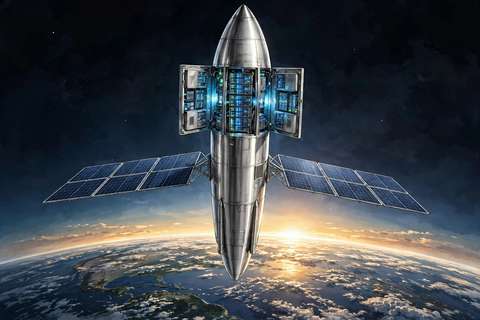
California start-up Cowboy Space has unveiled Big Iron, an 86-metre stainless-steel rocket whose upper stage is designed to stay in orbit as a megawatt-class data centre for artificial intelligence computing. The vehicle will carry Nvidia's Space-1 Vera Rubin modules into low Earth orbit, and its parts do double duty once in space: the rocket's skin becomes the data centre's radiator, its ammonia propellant works as coolant, and nitrogen that pressurises the second stage also deploys the solar wings. Nine methane-fuelled Clydesdale engines power the first stage, each giving 300,000 pounds of thrust, and the rocket can carry more than 15,000 kilograms to sun-synchronous orbit. A launch is planned for late 2028.
کیلیفورنیا کی اسٹارٹ اپ کاؤ بوائے اسپیس نے بگ آئرن پیش کر دیا ہے، جو 86 میٹر لمبا اسٹین لیس اسٹیل راکٹ ہے جس کا اوپری حصہ خلا میں میگاواٹ کلاس ڈیٹا سینٹر کے طور پر رہنے کے لیے بنایا گیا ہے تاکہ مصنوعی ذہانت کی کمپیوٹنگ ہو سکے۔ یہ راکٹ این ویڈیا کے اسپیس-1 ویرا روبن ماڈیولز کو زمین کے نچلے مدار میں لے جائے گا، اور خلا میں اس کے پرزے دوہرا کام کریں گے: راکٹ کی جلد ڈیٹا سینٹر کا ریڈی ایٹر بن جائے گی، امونیا ایندھن کولنٹ کا کام کرے گا، اور دوسرے مرحلے کو دباؤ دینے والی نائٹروجن سولر ونگز بھی کھولے گی۔ پہلے مرحلے کو میتھین سے چلنے والے نو کلائیڈزڈیل انجن طاقت دیں گے، ہر ایک 300,000 پاؤنڈ تھرسٹ دے گا، اور راکٹ 15,000 کلوگرام سے زیادہ وزن سورج کے ہم آہنگ مدار تک لے جا سکتا ہے۔ لانچ 2028 کے آخر میں متوقع ہے۔
कैलिफ़ोर्निया के स्टार्टअप काउबॉय स्पेस ने बिग आयरन पेश किया है, जो 86 मीटर लंबा स्टेनलेस-स्टील रॉकेट है जिसका ऊपरी हिस्सा अंतरिक्ष में मेगावाट श्रेणी के डेटा सेंटर के रूप में रहने के लिए बनाया गया है ताकि कृत्रिम बुद्धिमत्ता की कंप्यूटिंग हो सके। यह रॉकेट एनवीडिया के स्पेस-1 वेरा रूबिन मॉड्यूल को पृथ्वी की निचली कक्षा में ले जाएगा, और अंतरिक्ष में इसके पुर्ज़े दोहरा काम करेंगे: रॉकेट की त्वचा डेटा सेंटर का रेडिएटर बन जाएगी, अमोनिया ईंधन कूलेंट का काम करेगा, और दूसरे चरण को दबाव देने वाली नाइट्रोजन सौर पंख भी खोलेगी। पहले चरण को मीथेन से चलने वाले नौ क्लाइड्सडेल इंजन शक्ति देंगे, प्रत्येक 300,000 पाउंड का थ्रस्ट देगा, और रॉकेट 15,000 किलोग्राम से अधिक वज़न सूर्य-समकालिक कक्षा तक ले जा सकता है। प्रक्षेपण 2028 के अंत में होने की उम्मीद है।
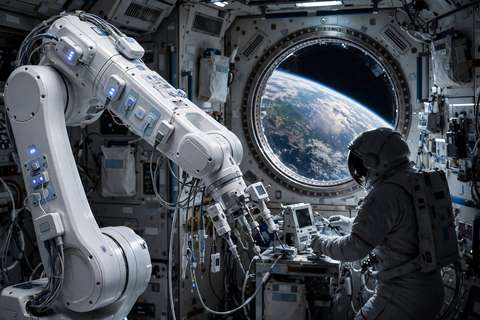
NASA and Google have tested a proof-of-concept AI-powered medical robot designed to help astronauts handle health needs on future missions to the Moon and Mars. The system could assist with routine health monitoring, such as capturing vital signs or simple ultrasounds, under the direction of a human crew medical officer, without replacing human decision-making. The idea matters because crews travelling far from Earth cannot rely on quick advice from doctors on the ground, so they will need more medical capability on board.
ناسا اور گوگل نے ایک تجرباتی اے آئی طبی روبوٹ کا تجربہ کیا ہے جو چاند اور مریخ کے مستقبل کے مشنوں میں خلابازوں کی صحت کی ضروریات میں مدد کے لیے بنایا گیا ہے۔ یہ نظام انسانی عملے کے طبی افسر کی ہدایت میں معمول کی صحت کی نگرانی میں مدد کر سکتا ہے، جیسے اہم علامات لینا یا سادہ الٹراساؤنڈ، بغیر انسانی فیصلے کی جگہ لیے۔ یہ اس لیے اہم ہے کیونکہ زمین سے دور سفر کرنے والا عملہ زمین پر موجود ڈاکٹروں کی فوری مشاورت پر انحصار نہیں کر سکتا، اس لیے انہیں جہاز پر زیادہ طبی سہولت کی ضرورت ہوگی۔
नासा और गूगल ने एक प्रायोगिक एआई चिकित्सा रोबोट का परीक्षण किया है जो चंद्रमा और मंगल के भविष्य के मिशनों में अंतरिक्ष यात्रियों की स्वास्थ्य आवश्यकताओं में मदद के लिए बनाया गया है। यह प्रणाली मानव दल के चिकित्सा अधिकारी के निर्देशन में नियमित स्वास्थ्य निगरानी में मदद कर सकती है, जैसे महत्वपूर्ण संकेत लेना या साधारण अल्ट्रासाउंड, बिना मानव निर्णय की जगह लिए। यह इसलिए महत्वपूर्ण है क्योंकि पृथ्वी से दूर यात्रा करने वाला दल ज़मीन पर मौजूद डॉक्टरों की त्वरित सलाह पर निर्भर नहीं रह सकता, इसलिए उन्हें यान पर अधिक चिकित्सा क्षमता की आवश्यकता होगी।
An international symposium organised by IIT Madras from 11 to 13 February 2027 will explore how microbiomes shape human health, the planet and space exploration. The sixth IBSE International Symposium, titled Microbiomes in Environment, Health, and Beyond, will bring together more than 20 scientists from India and abroad to discuss microbial communities, from tackling childhood malnutrition and plastic pollution to advancing space research. Speakers include Rob Knight of the University of California San Diego, Daniel Segre of Boston University and Janet Jansson of Pacific Northwest National Laboratory. The deadline for early-bird registration is 31 October 2026.
آئی آئی ٹی مدراس کی جانب سے 11 سے 13 فروری 2027 تک منعقد ہونے والے ایک بین الاقوامی سمپوزیم میں اس بات پر غور کیا جائے گا کہ مائیکروبایوم انسانی صحت، کرہ ارض اور خلائی تحقیق کو کس طرح متاثر کرتے ہیں۔ چھٹا آئی بی ایس ای انٹرنیشنل سمپوزیم، جس کا عنوان ماحول، صحت اور اس سے آگے مائیکروبایوم ہے، بھارت اور بیرون ملک سے 20 سے زیادہ سائنسدانوں کو اکٹھا کرے گا، جو بچوں کی غذائی قلت اور پلاسٹک آلودگی سے نمٹنے سے لے کر خلائی تحقیق تک جرثومی برادریوں پر بات کریں گے۔ مقررین میں کیلیفورنیا یونیورسٹی سان ڈیاگو کے راب نائٹ، بوسٹن یونیورسٹی کے ڈینیل سیگرے اور پیسیفک نارتھ ویسٹ نیشنل لیبارٹری کی جینٹ جانسن شامل ہیں۔ ابتدائی رجسٹریشن کی آخری تاریخ 31 اکتوبر 2026 ہے۔
आईआईटी मद्रास की ओर से 11 से 13 फरवरी 2027 तक आयोजित एक अंतरराष्ट्रीय संगोष्ठी में इस बात पर चर्चा होगी कि माइक्रोबायोम मानव स्वास्थ्य, ग्रह और अंतरिक्ष अनुसंधान को कैसे प्रभावित करते हैं। छठी आईबीएसई अंतरराष्ट्रीय संगोष्ठी, जिसका शीर्षक पर्यावरण, स्वास्थ्य और उससे आगे माइक्रोबायोम है, भारत और विदेश से 20 से अधिक वैज्ञानिकों को एक साथ लाएगी, जो बचपन के कुपोषण और प्लास्टिक प्रदूषण से निपटने से लेकर अंतरिक्ष अनुसंधान तक सूक्ष्मजीव समुदायों पर बात करेंगे। वक्ताओं में कैलिफोर्निया विश्वविद्यालय सैन डिएगो के रॉब नाइट, बोस्टन विश्वविद्यालय के डैनियल सेग्रे और पैसिफिक नॉर्थवेस्ट नेशनल लेबोरेटरी की जेनेट जैनसन शामिल हैं। शुरुआती पंजीकरण की अंतिम तिथि 31 अक्टूबर 2026 है।
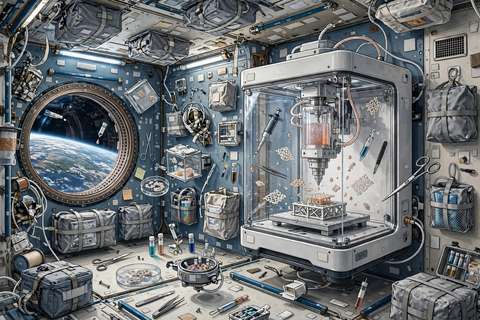
An Emirati astronaut has pointed to 3D bioprinting in space as a possible future way to help transplant patients. Automation could let researchers grow stem cells and organoids, small simplified models of organs, more efficiently, so biological materials might one day be produced in orbit and brought back to Earth. Former NASA astronaut Sunita Williams, now an adviser to the commercial station company Vast, said commercial space stations could offer a better setting for larger, repeatable biological research, though transplant-ready organs remain a research goal, not a near promise.
ایک اماراتی خلاباز نے خلا میں تھری ڈی بائیو پرنٹنگ کو ٹرانسپلانٹ مریضوں کی مدد کے ممکنہ مستقبل کے طریقے کے طور پر پیش کیا ہے۔ خودکار نظام سے محققین اسٹیم سیلز اور آرگنائیڈز، یعنی اعضا کے چھوٹے سادہ نمونے، زیادہ بہتر طریقے سے اگا سکیں گے، تاکہ حیاتیاتی مواد ایک دن مدار میں تیار کر کے زمین پر لایا جا سکے۔ ناسا کی سابق خلاباز سنیتا ولیمز، جو اب کمرشل اسٹیشن کمپنی واسٹ کی مشیر ہیں، نے کہا کہ کمرشل خلائی اسٹیشن بڑی اور دہرائی جانے والی حیاتیاتی تحقیق کے لیے بہتر ماحول دے سکتے ہیں، اگرچہ ٹرانسپلانٹ کے قابل اعضا ابھی صرف تحقیقی ہدف ہیں۔
एक अमीराती अंतरिक्ष यात्री ने अंतरिक्ष में 3डी बायोप्रिंटिंग को प्रत्यारोपण रोगियों की मदद के संभावित भविष्य के तरीके के रूप में प्रस्तुत किया है। स्वचालन से शोधकर्ता स्टेम कोशिकाओं और ऑर्गेनॉइड, यानी अंगों के छोटे सरल मॉडल, को अधिक कुशलता से उगा सकेंगे, ताकि जैविक सामग्री एक दिन कक्षा में तैयार करके पृथ्वी पर लाई जा सके। नासा की पूर्व अंतरिक्ष यात्री सुनीता विलियम्स, जो अब वाणिज्यिक स्टेशन कंपनी वास्ट की सलाहकार हैं, ने कहा कि वाणिज्यिक अंतरिक्ष स्टेशन बड़ी और दोहराई जा सकने वाली जैविक अनुसंधान के लिए बेहतर माहौल दे सकते हैं, हालांकि प्रत्यारोपण योग्य अंग अभी केवल शोध का लक्ष्य हैं।
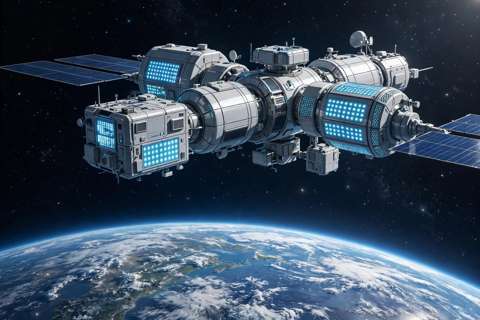
SAP plans to deploy its SAP-RPT tabular AI model on HPE Spaceborne Computer-2 aboard the International Space Station, with the deployment planned for early 2027. The model will use onboard sensor and mission telemetry data to assess system health in orbit, predict emerging faults and reconstruct missing sensor readings, without waiting for analysis back on Earth. SAP says the model is about 50,000 times more energy-efficient than state-of-the-art large language models, which suits the station's strict power limits, and the same early-warning approach could later help factories and supply chains on Earth.
ایس اے پی اپنے ایس اے پی آر پی ٹی ٹیبولر اے آئی ماڈل کو بین الاقوامی خلائی اسٹیشن پر ایچ پی ای اسپیس بورن کمپیوٹر 2 پر لگانے کا ارادہ رکھتا ہے، یہ تجربہ 2027 کے آغاز میں ہوگا۔ یہ ماڈل اسٹیشن کے سینسر اور مشن کے ڈیٹا سے مدار میں نظام کی صحت کا جائزہ لے گا، خرابیوں کی پیش گوئی کرے گا اور گم شدہ ریڈنگز دوبارہ بنائے گا، زمین سے تجزیے کا انتظار کیے بغیر۔ ایس اے پی کا کہنا ہے کہ یہ ماڈل جدید بڑے لینگویج ماڈلز سے تقریباً 50 ہزار گنا زیادہ توانائی بچاتا ہے، جو اسٹیشن کی محدود بجلی کے لیے موزوں ہے، اور یہی طریقہ زمین پر کارخانوں اور سپلائی چین میں بھی مدد کر سکتا ہے۔
SAP plans to deploy its SAP-RPT tabular AI model on HPE Spaceborne Computer-2 aboard the International Space Station, with the deployment planned for early 2027. The model will use onboard sensor and mission telemetry data to assess system health in orbit, predict emerging faults and reconstruct missing sensor readings, without waiting for analysis back on Earth. SAP says the model is about 50,000 times more energy-efficient than state-of-the-art large language models, which suits the station's strict power limits, and the same early-warning approach could later help factories and supply chains on Earth.
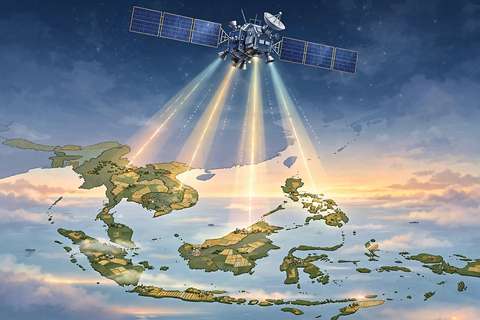
Thailand has led 62 Asia-Pacific members in adopting the Bangkok Declaration on using space technology for sustainable development, at a ministerial conference in Bangkok with the UN's ESCAP body. The framework, which will guide regional space cooperation through 2030, calls for greater use of satellites, geospatial data, artificial intelligence and cloud computing to close development gaps. It also encourages private firms, universities and start-ups to take part, and shared data standards across countries.
تھائی لینڈ نے بنکاک میں اقوام متحدہ کے ادارے ایسکیپ کے ساتھ وزارتی کانفرنس میں ایشیا پیسیفک کے 62 ارکان کی حمایت سے پائیدار ترقی کے لیے خلائی ٹیکنالوجی کے استعمال پر بنکاک اعلامیہ منظور کروا لیا ہے۔ یہ خاکہ 2030 تک خطے میں خلائی تعاون کی رہنمائی کرے گا اور ترقیاتی خلا کم کرنے کے لیے سیٹلائٹ، جغرافیائی ڈیٹا، مصنوعی ذہانت اور کلاؤڈ کمپیوٹنگ کے زیادہ استعمال کا مطالبہ کرتا ہے۔ اس میں نجی کمپنیوں، یونیورسٹیوں اور اسٹارٹ اپس کی شرکت اور مشترکہ ڈیٹا معیار کی بھی حوصلہ افزائی کی گئی ہے۔
Thailand has led 62 Asia-Pacific members in adopting the Bangkok Declaration on using space technology for sustainable development, at a ministerial conference in Bangkok with the UN's ESCAP body. The framework, which will guide regional space cooperation through 2030, calls for greater use of satellites, geospatial data, artificial intelligence and cloud computing to close development gaps. It also encourages private firms, universities and start-ups to take part, and shared data standards across countries.