New map of 'empty' space challenges the calm picture of our galaxy
New map of 'empty' space challenges the calm picture of our galaxy
New map of 'empty' space challenges the calm picture of our galaxy
Key points
اہم نکات
मुख्य बातें
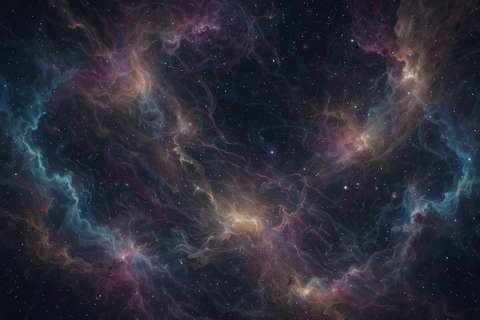
- A new three-dimensional map of the space between stars suggests it is far more restless than textbooks have long assumed.
- Researchers combined a dust-density map covering a sphere more than 4,000 light-years wide around the Sun with a map of ultraviolet radiation, and found that 27% of the nearby interstellar medium was cold, 32% was warm, and 41% sat in an unstable middle state that older models treated as forbidden.
- The finding challenges a model dating back to 1969 and may help explain why galaxies turn so little of their gas into stars.
A new three-dimensional map of the space between stars suggests it is far more restless than textbooks have long assumed. Researchers combined a dust-density map covering a sphere more than 4,000 light-years wide around the Sun with a map of ultraviolet radiation, and found that 27% of the nearby interstellar medium was cold, 32% was warm, and 41% sat in an unstable middle state that older models treated as forbidden. The finding challenges a model dating back to 1969 and may help explain why galaxies turn so little of their gas into stars. The analysis is still undergoing peer review, and its authors say map blurring alone cannot explain most of the unstable gas.
A new three-dimensional map of the space between stars suggests it is far more restless than textbooks have long assumed. Researchers combined a dust-density map covering a sphere more than 4,000 light-years wide around the Sun with a map of ultraviolet radiation, and found that 27% of the nearby interstellar medium was cold, 32% was warm, and 41% sat in an unstable middle state that older models treated as forbidden. The finding challenges a model dating back to 1969 and may help explain why galaxies turn so little of their gas into stars. The analysis is still undergoing peer review, and its authors say map blurring alone cannot explain most of the unstable gas.
A new three-dimensional map of the space between stars suggests it is far more restless than textbooks have long assumed. Researchers combined a dust-density map covering a sphere more than 4,000 light-years wide around the Sun with a map of ultraviolet radiation, and found that 27% of the nearby interstellar medium was cold, 32% was warm, and 41% sat in an unstable middle state that older models treated as forbidden. The finding challenges a model dating back to 1969 and may help explain why galaxies turn so little of their gas into stars. The analysis is still undergoing peer review, and its authors say map blurring alone cannot explain most of the unstable gas.
Most read
سب سے زیادہ پڑھی گئی
सबसे ज़्यादा पढ़ी गई
- Loading...
Get news in your inbox
خبریں اپنے ان باکس میں حاصل کریں
खबरें अपने इनबॉक्स में पाएं
One email when new stories are published. No spam, unsubscribe anytime.
نئی خبریں شائع ہونے پر ایک ای میل۔ کوئی سپیم نہیں، کسی بھی وقت ان سبسکرائب کریں۔
नई खबरें प्रकाशित होने पर एक ईमेल। कोई स्पैम नहीं, कभी भी अनसब्सक्राइब करें।