A huge eruption in Japan 7,300 years ago pushed human resourcefulness to its limits
A huge eruption in Japan 7,300 years ago pushed human resourcefulness to its limits
A huge eruption in Japan 7,300 years ago pushed human resourcefulness to its limits
Key points
اہم نکات
मुख्य बातें
- A new study of the Kikai-Akahoya eruption, which struck off south-west Japan around 5250 BCE, shows that prehistoric people responded in strikingly different ways.
- The eruption, rated 7 out of 8 for explosivity, battered the islands with earthquakes and tsunamis and buried landscapes under metres of ash.
- Looking at 540 archaeological samples, researchers found southern Kyushu's population was already shrinking before the disaster, while communities further north kept growing, possibly as survivors moved to coasts where marine life recovered fastest.
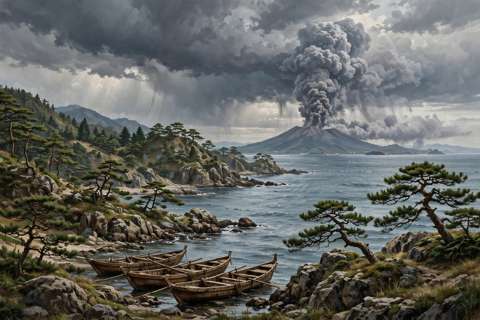
A new study of the Kikai-Akahoya eruption, which struck off south-west Japan around 5250 BCE, shows that prehistoric people responded in strikingly different ways. The eruption, rated 7 out of 8 for explosivity, battered the islands with earthquakes and tsunamis and buried landscapes under metres of ash. Looking at 540 archaeological samples, researchers found southern Kyushu's population was already shrinking before the disaster, while communities further north kept growing, possibly as survivors moved to coasts where marine life recovered fastest. More distant regions, unexpectedly, stagnated or declined, perhaps as ash and climate effects hit food supplies.
A new study of the Kikai-Akahoya eruption, which struck off south-west Japan around 5250 BCE, shows that prehistoric people responded in strikingly different ways. The eruption, rated 7 out of 8 for explosivity, battered the islands with earthquakes and tsunamis and buried landscapes under metres of ash. Looking at 540 archaeological samples, researchers found southern Kyushu's population was already shrinking before the disaster, while communities further north kept growing, possibly as survivors moved to coasts where marine life recovered fastest. More distant regions, unexpectedly, stagnated or declined, perhaps as ash and climate effects hit food supplies.
A new study of the Kikai-Akahoya eruption, which struck off south-west Japan around 5250 BCE, shows that prehistoric people responded in strikingly different ways. The eruption, rated 7 out of 8 for explosivity, battered the islands with earthquakes and tsunamis and buried landscapes under metres of ash. Looking at 540 archaeological samples, researchers found southern Kyushu's population was already shrinking before the disaster, while communities further north kept growing, possibly as survivors moved to coasts where marine life recovered fastest. More distant regions, unexpectedly, stagnated or declined, perhaps as ash and climate effects hit food supplies.
Most read
سب سے زیادہ پڑھی گئی
सबसे ज़्यादा पढ़ी गई
- Loading...
Get news in your inbox
خبریں اپنے ان باکس میں حاصل کریں
खबरें अपने इनबॉक्स में पाएं
One email when new stories are published. No spam, unsubscribe anytime.
نئی خبریں شائع ہونے پر ایک ای میل۔ کوئی سپیم نہیں، کسی بھی وقت ان سبسکرائب کریں۔
नई खबरें प्रकाशित होने पर एक ईमेल। कोई स्पैम नहीं, कभी भी अनसब्सक्राइब करें।