New lab approach may help immune cells fight tumours for longer
New lab approach may help immune cells fight tumours for longer
New lab approach may help immune cells fight tumours for longer
Key points
اہم نکات
मुख्य बातें
- Researchers at UCLA have found a way to help the immune system's T cells stay stronger for longer in laboratory tests.
- By temporarily boosting a protein called p53 with an experimental drug called navtemadlin, specially prepared T cells showed fewer signs of exhaustion, had more energy, and killed melanoma cancer cells in the lab more effectively than untreated cells.
- The researchers say the work is still early and laboratory-stage only: the tests used human cells in a dish, not animals or people, and much more research is needed before it could lead to a treatment, especially for solid tumours.
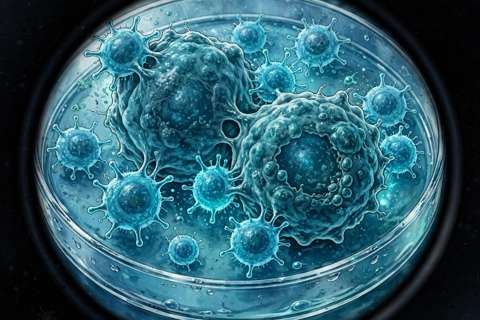
Researchers at UCLA have found a way to help the immune system's T cells stay stronger for longer in laboratory tests. By temporarily boosting a protein called p53 with an experimental drug called navtemadlin, specially prepared T cells showed fewer signs of exhaustion, had more energy, and killed melanoma cancer cells in the lab more effectively than untreated cells. The researchers say the work is still early and laboratory-stage only: the tests used human cells in a dish, not animals or people, and much more research is needed before it could lead to a treatment, especially for solid tumours.
Researchers at UCLA have found a way to help the immune system's T cells stay stronger for longer in laboratory tests. By temporarily boosting a protein called p53 with an experimental drug called navtemadlin, specially prepared T cells showed fewer signs of exhaustion, had more energy, and killed melanoma cancer cells in the lab more effectively than untreated cells. The researchers say the work is still early and laboratory-stage only: the tests used human cells in a dish, not animals or people, and much more research is needed before it could lead to a treatment, especially for solid tumours.
Researchers at UCLA have found a way to help the immune system's T cells stay stronger for longer in laboratory tests. By temporarily boosting a protein called p53 with an experimental drug called navtemadlin, specially prepared T cells showed fewer signs of exhaustion, had more energy, and killed melanoma cancer cells in the lab more effectively than untreated cells. The researchers say the work is still early and laboratory-stage only: the tests used human cells in a dish, not animals or people, and much more research is needed before it could lead to a treatment, especially for solid tumours.
Most read
سب سے زیادہ پڑھی گئی
सबसे ज़्यादा पढ़ी गई
- Loading...
Get news in your inbox
خبریں اپنے ان باکس میں حاصل کریں
खबरें अपने इनबॉक्स में पाएं
One email when new stories are published. No spam, unsubscribe anytime.
نئی خبریں شائع ہونے پر ایک ای میل۔ کوئی سپیم نہیں، کسی بھی وقت ان سبسکرائب کریں۔
नई खबरें प्रकाशित होने पर एक ईमेल। कोई स्पैम नहीं, कभी भी अनसब्सक्राइब करें।